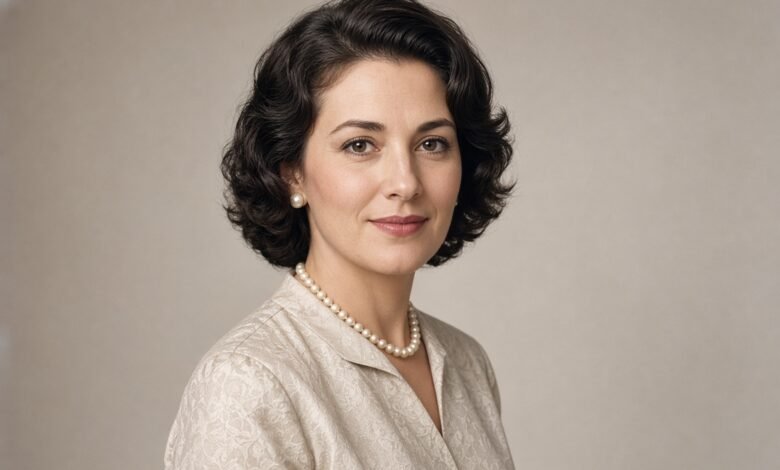
Ann Fleischer is a name that frequently appears in searches about the personal life of Henry Kissinger, one of the most influential diplomats in American history. Although Kissinger spent decades in the international spotlight, Ann Fleischer lived a considerably more private life. She is primarily remembered as his first wife and the mother of their two children, Elizabeth and David Kissinger.
Their relationship began long before Kissinger became a household name in American politics. They shared German roots, experienced the challenges of starting over in the United States, and eventually built a family together. Their marriage lasted from 1949 until 1964, covering an important period in Kissinger’s development as an academic and international affairs expert.
Despite her connection to such a prominent historical figure, Ann never became a public personality in the traditional sense. Much of her personal background, professional activities, and later experiences remain outside the public record. Nevertheless, her story offers an interesting perspective on the family life behind a major political career.
This article explores Ann Fleischer’s background, marriage, children, relationship with Henry Kissinger, life after their divorce, and the reasons her name continues to attract attention.
Who Was Ann Fleischer?
Ann Fleischer is best known as the first wife of Henry Kissinger, the German-born American diplomat who served as national security adviser and secretary of state under Presidents Richard Nixon and Gerald Ford. Their marriage took place on February 6, 1949, and ended in divorce in 1964.
Although her former husband became internationally recognized for his diplomatic work, Ann maintained a relatively private identity. She did not develop a public career in politics or regularly appear in the media. Consequently, reliable information about her personal achievements and everyday experiences is considerably more limited than information about Kissinger.
Her name is sometimes written as Anneliese Fleischer in biographical references. Historical and biographical records connect her to Fürth, Germany, the same Bavarian city where Henry Kissinger was born. This shared background is an important part of understanding their early connection.
Ann’s story is particularly interesting because it illustrates how two people with similar experiences of displacement and immigration eventually built a life together in America. Although their marriage did not last forever, it remained an important chapter in the personal history of a major twentieth-century political figure.
Ann Fleischer’s Early Life and German Background
Ann Fleischer was born on November 6, 1925, in Fürth, Bavaria, Germany, according to commonly cited biographical records. Her childhood took place during a period of significant political and social change in Germany. The country was experiencing economic uncertainty, political instability, and growing hostility toward Jewish communities.
The political environment became increasingly dangerous after Adolf Hitler and the Nazi Party came to power in 1933. Jewish families faced discrimination, restrictions, and growing threats to their safety. These developments dramatically changed the lives of countless German Jewish families, including those who eventually sought refuge in other countries.
Ann’s early life is not extensively documented through publicly available interviews or personal accounts. Therefore, it is important not to present unverified details about her parents, schooling, or childhood experiences as established facts. What is known is that her background was connected to the wider experience of German Jewish displacement during this difficult historical period.
Growing Up During a Difficult Historical Period
Being born in Germany in the 1920s meant that Ann experienced a childhood shaped by major historical events. The political atmosphere changed dramatically throughout her early years, particularly as discrimination against Jewish citizens became increasingly severe.
For families affected by Nazi persecution, everyday life became uncertain. Education, employment, personal security, and family relationships were all affected by government policies and social hostility. Many people had to make difficult decisions about leaving their homes and rebuilding their lives elsewhere.
This historical background provides useful context for understanding the generation to which Ann belonged. However, her individual experiences should be distinguished from the broader historical circumstances shared by many German Jewish refugees.
Starting a New Life in America
Henry Kissinger’s family left Germany in 1938 and settled in the United States. Biographical accounts also connect Ann to the German Jewish immigrant experience. Moving to another country during such a difficult period involved major adjustments, including adapting to a different language, culture, and social environment.
America offered opportunities for families seeking safety and a fresh beginning, but immigration was not necessarily easy. Refugees often had to rebuild their social networks while adjusting to unfamiliar surroundings.
These experiences formed an important historical backdrop to Ann and Henry’s later relationship. Their shared connection to Germany and the experience of rebuilding their lives in America helped explain why their early connection has attracted interest from historians and biographical writers.
How Ann Fleischer Met Henry Kissinger
Ann Fleischer’s name is closely connected to Henry Kissinger because they shared a relationship that began before he became a prominent academic and political figure. Both had connections to Fürth, Germany, and both belonged to a generation whose lives were affected by the rise of Nazism.
Kissinger eventually established himself academically in the United States. He studied at Harvard University, developed an interest in international relations, and became increasingly involved in discussions about foreign policy and international security.
Their relationship developed during the period when Kissinger was building his future. Unlike the internationally recognized diplomat he would eventually become, he was still developing his academic interests and professional direction during their early years together.
Although the exact details of their first meeting are not consistently documented in widely available English-language biographies, their shared background remains an important part of the story.
A Shared Connection to Germany
One interesting aspect of their relationship was their connection to the same German hometown. Having similar geographical and cultural roots could create a natural sense of familiarity, particularly for people who had experienced immigration.
For individuals rebuilding their lives in a new country, connections with people who understood their language, traditions, and childhood environment could be especially meaningful.
Ann and Henry’s shared background is therefore an important detail in understanding their relationship. Their experiences belonged to a generation that had to navigate the difficult transition from European life to a new beginning in America.
Building a Relationship Before Political Fame
When Ann and Henry married in 1949, Kissinger had not yet reached the level of international recognition that would define his later career. He was establishing himself as an academic and developing the ideas that would eventually influence American foreign policy.
Their relationship therefore began during a very different stage of his life. There were no presidential administrations, international negotiations, or global media attention surrounding their marriage at the time.
This makes their early relationship particularly interesting. It provides a glimpse into Kissinger’s personal life before his career placed him among the most recognizable political figures of the twentieth century.
Ann Fleischer and Henry Kissinger’s Marriage
Ann Fleischer married Henry Kissinger on February 6, 1949. Their marriage represented an important personal milestone for both individuals and took place before Kissinger’s rise to political prominence.
The couple eventually became parents to two children, Elizabeth and David. During their marriage, Kissinger continued developing his academic career, particularly through his work at Harvard University.
His professional responsibilities increased as he became involved in research, teaching, and discussions about American national security. These developments eventually helped establish the foundation for his later government career.
Although public information about their household and private relationship is limited, their marriage covered a significant period of Kissinger’s professional development.
Family Life During Kissinger’s Academic Career
During the early years of their marriage, Kissinger was primarily associated with academic work. He became an influential scholar of international relations and developed a reputation for his understanding of European history, diplomacy, and strategic affairs.
His academic responsibilities required considerable attention and intellectual commitment. His work involved studying international political systems, examining historical conflicts, and considering how governments could manage complicated relationships.
Ann’s life during this period was largely outside public attention. There are not enough reliable personal accounts to describe the details of their daily family arrangements or the precise nature of her involvement in Kissinger’s professional activities.
Nevertheless, their marriage was an important part of his personal history during the years before he entered the highest levels of American government.
The Challenges of a Changing Career
A growing professional career can bring significant changes to family life. Academic responsibilities, professional travel, public recognition, and increasing expectations can all affect personal relationships.
Kissinger’s career eventually expanded beyond the university environment. His involvement in foreign policy and national security brought new professional demands and responsibilities.
It would be inaccurate to claim that these developments directly caused the couple’s eventual divorce because their private reasons were not publicly established. However, the changing circumstances of Kissinger’s professional life provide useful context for understanding the period in which their marriage took place.
Ann Fleischer’s Children: Elizabeth and David Kissinger
One of the most important parts of Ann Fleischer’s personal history is her role as the mother of two children, Elizabeth and David Kissinger.
Both children were born during her marriage to Henry Kissinger. Their family connection is documented in biographical records about their father and in historical references to his personal life.
Although Henry Kissinger later became a major international figure, his children generally maintained more private lives than their father. Their professional and personal experiences developed away from the constant public attention associated with international politics.
Elizabeth Kissinger
Elizabeth Kissinger is one of Ann and Henry’s two children. Unlike her father, she did not become a widely recognized political personality.
Information about her private life and professional activities is relatively limited in mainstream historical biographies. This reflects the family’s general approach to maintaining a distinction between public responsibilities and private relationships.
Her connection to Ann Fleischer remains an important part of the family’s history, although detailed information about their personal relationship has not been widely published.
David Kissinger
David Kissinger is Ann and Henry’s son. He developed a career in the entertainment industry and became associated with television production and business.
One notable part of his professional background was his involvement with NBC Universal Television Studio. He also became associated with Conaco, the production company connected to television host Conan O’Brien.
His career demonstrates that the Kissinger family developed professional interests extending beyond diplomacy and international politics.
David’s work in entertainment is particularly different from his father’s career in government and international relations. Nevertheless, both represent different ways in which members of the same family established their own professional identities.
Why Did Ann Fleischer and Henry Kissinger Divorce?
Ann Fleischer and Henry Kissinger divorced in 1964 after approximately fifteen years of marriage. This marked the end of their relationship as a married couple, although they continued to share a family connection through their children.
Their divorce is a documented historical fact. However, the specific reasons behind their separation have not been reliably established through detailed public statements from either individual.
It is important to distinguish between confirmed information and speculation when discussing the private lives of historical personalities. Many online articles attempt to explain celebrity divorces through assumptions about careers, personalities, or personal disagreements without providing trustworthy evidence.
In Ann and Henry’s case, there is insufficient publicly documented information to identify one definitive reason for their separation.
Life After the Divorce
Following their divorce, Ann and Henry moved into separate chapters of their personal lives. Kissinger continued developing his professional career, which eventually took him into the center of American political decision-making.
He became national security adviser in 1969 and secretary of state in 1973. His involvement in international diplomacy made him one of the most influential figures in American foreign policy during that period.
Ann, by contrast, maintained a much lower public profile. Her life after the marriage is not documented in the same level of detail, making it difficult to provide a complete account of her later experiences.
Maintaining Privacy
Ann Fleischer’s limited public presence is one reason why people continue searching for information about her. Her name appears frequently in discussions about Henry Kissinger, but detailed personal interviews and first-hand accounts are difficult to find.
Privacy does not mean that a person’s life lacks historical interest. It simply means that researchers must be careful about the information they publish.
For Ann, the most responsible approach is to focus on established family and historical details rather than inventing explanations about her private experiences.
Henry Kissinger’s Career After His Marriage to Ann Fleischer
Understanding Ann Fleischer’s place in history also requires looking at the career of her former husband. Henry Kissinger became one of the most influential figures in American foreign policy during the second half of the twentieth century.
After establishing his academic reputation at Harvard, Kissinger began working more directly with American government institutions. His expertise in international relations and national security attracted attention from political leaders.
In 1969, President Richard Nixon appointed him national security adviser. This position placed Kissinger at the center of major foreign policy decisions.
Becoming Secretary of State
Kissinger became secretary of state in 1973, adding another major responsibility to his government career. He played an important role in diplomatic discussions involving the Soviet Union, China, the Middle East, and other international issues.
His diplomatic approach attracted both supporters and critics. Some praised his efforts to negotiate with rival governments and reduce international tensions, while others criticized the consequences of certain foreign policy decisions.
In 1973, Kissinger received the Nobel Peace Prize alongside North Vietnamese diplomat Le Duc Tho for their involvement in negotiations concerning the Vietnam War. The award remains a subject of historical discussion and controversy.
By this stage, Ann Fleischer was no longer his wife. Nevertheless, their earlier marriage remains part of the personal history that preceded his rise to international prominence.
Ann Fleischer’s Life After Henry Kissinger
After her divorce from Kissinger, Ann continued with her own life away from the political attention surrounding her former husband. Publicly available information about this period is limited, but historical reporting provides evidence of another important personal milestone.
According to a 1973 report in Time magazine’s Milestones section, Ann Fleischer married Saul G. Cohen, a chemistry professor, in June 1973.
This marriage represents an important part of her life beyond her connection to Henry Kissinger. It also demonstrates why describing Ann only as a famous diplomat’s former wife provides an incomplete picture of her personal history.
Her Marriage to Saul G. Cohen
Saul G. Cohen was an academic known for his work in chemistry. His professional background was different from Kissinger’s involvement in international relations and government.
Their marriage marked another chapter in Ann’s personal journey. Unlike her earlier marriage, which became connected to a globally recognized political career, this relationship was associated with an academic environment.
Detailed information about their private life remains limited. However, the documented marriage is an important fact that deserves inclusion in a balanced biography.
Choosing a Private Life
Ann did not become a regular subject of public interviews or media coverage after her marriage to Kissinger ended. Her limited public profile makes it difficult to establish a complete timeline of her later years.
Rather than assuming details about her lifestyle, profession, residence, or personal relationships, it is more accurate to recognize that much of her later story has remained private.
This lack of publicity also helps explain why information about Ann is sometimes inconsistent across online biographies. Readers should prioritize historical records and contemporary reporting over websites that repeat unsupported claims.
Ann Fleischer’s Connection to Henry Kissinger’s Historical Legacy
Henry Kissinger’s historical legacy is usually discussed through his work in American foreign policy, international diplomacy, and national security. His influence on relations between major world powers made him an important figure in modern political history.
However, the personal history of a public figure is also part of understanding the broader human story. Ann Fleischer was connected to Kissinger during a formative period, before he became an internationally recognized diplomat.
Their marriage, family, and eventual separation provide a personal dimension to a biography otherwise dominated by political events.
Ann’s story also reflects the experiences of many people whose lives intersect with prominent historical figures without receiving the same level of public attention.
Her Place in Family History
Ann’s most clearly documented historical connection is her role in the Kissinger family. She was the first woman Henry Kissinger married and the mother of his two children.
This connection gives her a lasting place in biographical accounts of the former secretary of state. It also connects her to a family whose members developed careers in different fields.
While the public record does not provide extensive information about Ann’s personal achievements, her role in the family’s early history remains significant.
Why People Continue Searching for Her
Interest in Ann Fleischer is closely connected to the continuing public interest in Henry Kissinger. Readers researching his early life, marriages, and children naturally encounter her name.
People also search for information about individuals who remained outside the public spotlight despite their connections to famous personalities.
In an era when personal details are widely shared online, Ann’s relatively private life creates curiosity. Readers want to understand who she was, where she came from, and what happened after her marriage ended.
Her story is therefore relevant not only to Kissinger’s biography but also to the broader history of families connected to influential public figures.
Frequently Asked Questions About Ann Fleischer
Who Was Ann Fleischer?
Ann Fleischer was the first wife of Henry Kissinger, the former United States secretary of state and national security adviser. They married in 1949 and divorced in 1964. They had two children together, Elizabeth and David.
When Was Ann Fleischer Born?
Commonly cited biographical records give her birth date as November 6, 1925. Her birthplace is listed as Fürth, Bavaria, Germany.
Was Ann Fleischer Married to Henry Kissinger?
Yes. Ann Fleischer married Henry Kissinger on February 6, 1949. Their marriage lasted approximately fifteen years before ending in divorce in 1964.
How Many Children Did Ann Fleischer Have?
Ann Fleischer had two children with Henry Kissinger: Elizabeth Kissinger and David Kissinger.
Did Ann Fleischer Remarry After Her Divorce?
Yes. Contemporary reporting in Time magazine documented her marriage to chemistry professor Saul G. Cohen in June 1973.
Why Did Ann Fleischer and Henry Kissinger Divorce?
The specific reasons for their divorce have not been reliably established in publicly available historical accounts. Therefore, claims about the exact cause should be treated cautiously.
What Was Ann Fleischer’s Profession?
There is limited reliable public information documenting Ann Fleischer’s professional career. She is primarily identified in historical and biographical records through her family connections.
Was Ann Fleischer German?
Ann Fleischer was born in Fürth, Germany, and is associated with the German Jewish immigrant experience. Her background is connected to the historical movement of German Jewish families who sought new lives outside Nazi Germany.
Is Ann Fleischer Still Alive?
Her current status cannot be confidently established from the reliable historical sources available here. Online biographies contain inconsistent information, so it would be inappropriate to present an unverified birth or death claim as fact.
Conclusion
Ann Fleischer’s life is an interesting part of the personal history surrounding Henry Kissinger. Although she never achieved the international recognition associated with her former husband, her story connects to an important period of twentieth-century history.
Born in Germany, Ann belonged to a generation shaped by political upheaval and the experiences of immigration. Her marriage to Henry Kissinger in 1949 brought them together during the early stages of his academic career. They became parents to Elizabeth and David before divorcing in 1964.
Her later marriage to Saul G. Cohen in 1973 represents another important chapter that is sometimes overlooked in online biographies.
Much about Ann’s personal experiences remains undocumented, and that limitation deserves recognition rather than speculation. Nevertheless, the confirmed details of her life provide a meaningful picture of someone whose personal journey intersected with one of the most influential political careers of the twentieth century.
Ultimately, Ann Fleischer deserves to be understood as more than simply Henry Kissinger’s first wife. Her place in history reflects the experiences of a generation, the importance of family relationships, and the many private stories that exist behind major public figures.
You May Also Read Susan Wojcicki and John Sobrato






One Comment